The Aviation Lesson Plan Portal offers K-12 curriculum spanning various subjects to introduce students to aviation through hands-on learning. Each lesson stands alone, can be taught in any order, lists differentiation notes to flex up or down a grade band, and is based on Virginia's Standards of Learning. Browse some of our unique lesson plan titles below and click the link to view the full database based on your grade level.
Learn More


Virginia's airports contribute an estimated $25.8 billion to Gross State Product and produces $42.0 billion in total economic output. With opportunities from airport operations to engineering advanced air mobility, there are endless professional pathways to pursue in Virginia's aviation industry. The Regional Career Connections are designed to integrate into any lesson in the Portal. Close each lesson with a real answer to “What opportunities are near me?”
Learn More

The Teacher's Grant program offers up to $500 in reimbursement for K–12 Virginia educators who create and implement aviation‑themed lessons. Teachers of any subject may apply using the form below, and, if selected, return a grant agreement and final report with receipts for reimbursement. Past funded projects include model rockets and aircraft, drone builds, and aviation field trips. Browse previous grant-supported lessons below and click the link to learn more.
Learn More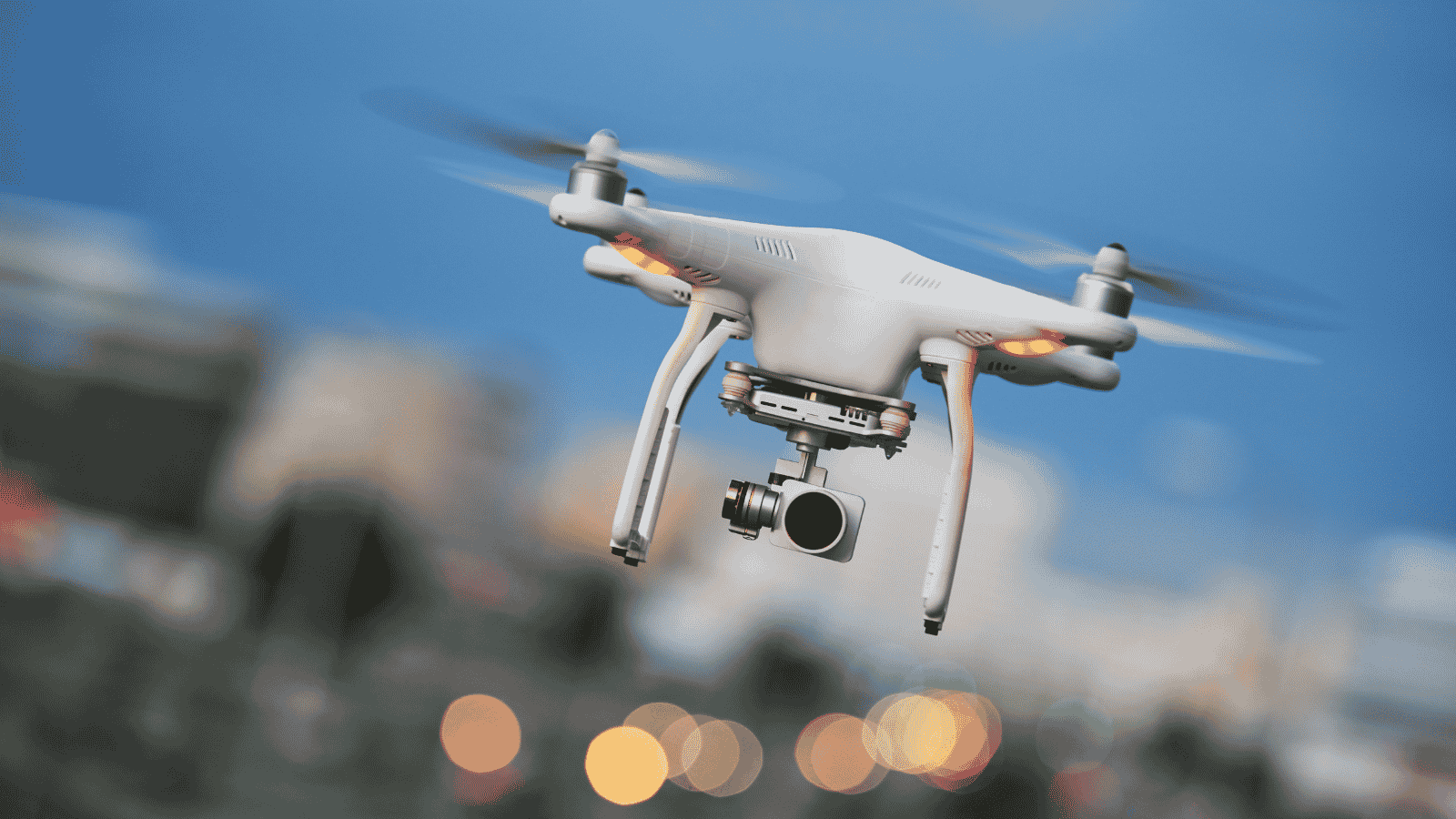
If there’s a road, the DOAV can bring an aircraft to your community! The ICON A5 is the perfect vehicle for promoting STEM, workforce development, and hands-on learning. Our flexible educators offer programs for every age group and event, at no cost to hosts. Follow the link below to learn more and browse some photos from our past events.
Learn More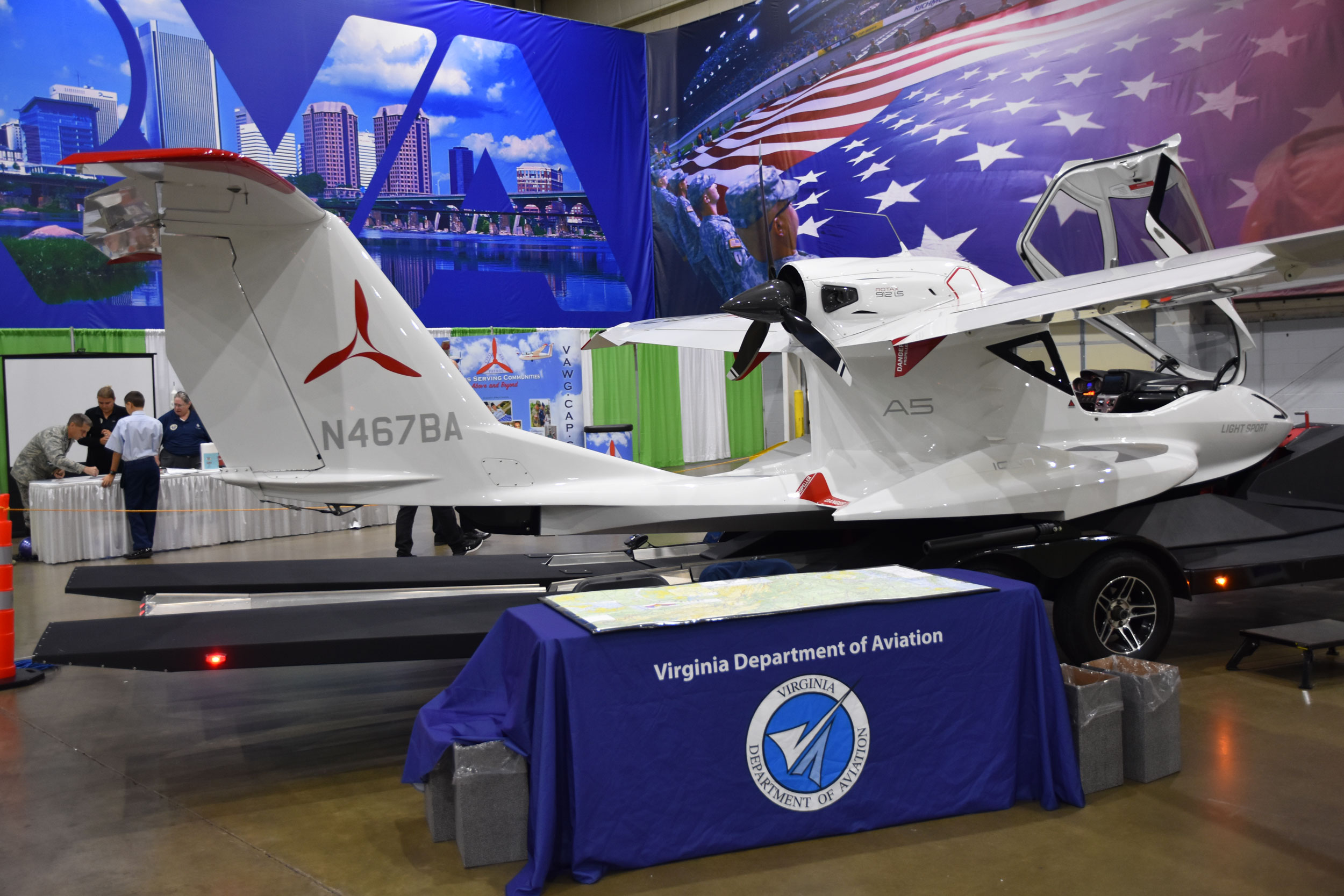


Lesson Overview
- Grade Band: 3-5
- Time Needed: Four 30‑minute sessions (one per week)
- Group Size: Whole class, rotating small groups for drone flight
- Core Topic: Students explore how aircraft fly by testing paper airframes and practicing controlled indoor flight with small drones
- Standards: Virginia Science SOL 4.1 (scientific investigation), 4.2 (force, motion), 4.3 (technological design); NGSS 4‑PS3‑1, 4‑PS3‑3, 3‑5 ETS1‑2
- Similar Lesson Plans: EAA’s youth aviation model lessons; AOPA elementary STEM aviation activities; FCPS STEAM in the Library engineering tasks
Learning Objectives
- Identify the four forces acting on an aircraft and explain how changing one feature of a paper airframe changes its flight
- Safely operate a small unmanned aircraft, including takeoff, controlled hover, and landing
- Explain how a drone measures altitude using air pressure and connect this to real cockpit instruments
- Describe why some airspace is restricted and name the federal authority that sets flight rules
- Troubleshoot a flight problem as a team and describe the steps they tried
- Name aviation careers and pathways available in Virginia, beyond only “pilot”
Materials
- Paper for glider builds (standard copier weight)
- Model patterns or examples for initial airframe folding
- A fleet of small indoor drones (3–5 depending on class size)
- Charged batteries and spare propellers
- Cones or floor tape to mark a simple indoor flight course
- Safety cones or boundary tape to mark no‑fly zones or observer areas
- Library books on aviators such as Bessie Coleman and the Tuskegee Airmen
Hands-On Activity
- Introduce the paper glider challenge. Students build a basic airframe, test it, change one feature only, and test again. Ask them to observe how lift, weight, thrust, and drag show up in what they see.
- Students conduct a second round of flight tests. They compare glider one and glider two and explain which single change caused the difference.
- Begin drone rotation stations. In groups, students practice takeoff, holding a steady hover, and landing. Emphasize thumb control, safety, and waiting for a clear flight area.
- Advance to directional control. Students fly a short marked course and discover the challenge of steering when the drone is facing them.
- Connect observations to real aviation: students release the stick and watch the drone hold altitude, then learn that air pressure sensors support both drones and cockpit altimeters.
- Close the unit by discussing restricted airspace around Washington, why indoor flight is required, and who sets flight rules. Connect library titles and Virginia aviation careers.
Differentiation
- Support: Provide pre‑folded glider templates for students who need them; assign a peer coach at drone stations; reduce flight tasks to takeoff–hover–land only if needed.
- Extend: Challenge students to design a new glider based on improving one force (lift or drag reduction); introduce more complex drone maneuvers such as lateral movement or a figure‑eight pattern.
Career Connection
Tell students that many aviation professionals—including pilots, drone operators, aircraft maintainers, and aerospace engineers—practice the same skills they are learning: testing, adjusting one variable, solving flight problems, and understanding airspace rules. Highlight careers in Virginia’s aviation sector and connect them to the experiences of military‑connected families in the school community.
Assessment & Reflection
Can the student explain why their modified glider flew differently? Can they safely complete a takeoff–hover–landing cycle? Can they state why indoor flight is required at Clermont and who regulates airspace? Can they name more than one aviation career?
Attach the Regional Aviation Career Connections module for your school's Virginia Aviation Board region to close this lesson with relevant local jobs, companies, and pathways.
Lesson Overview
- Grade Band: 6-8
- Time Needed: 90 minutes
- Group Size: Whole class, rotating small flight teams of three
- Core Topic: Students program a CoDrone EDU to fly a simulated delivery pathway using block-based code, measurement-based navigation, and drone safety practices
- Standards: Virginia Science SOL 6.1 and 8.1 (scientific and engineering practices). Virginia Digital Learning Integration Standards 6-8.CT, 6-8.ID, 6-8.GC.
- Similar Lesson Plans: VDOE 2024 Computer Science Instructional Guides (grades 6, 7, 8); Virginia Department of Aviation educational programs, including AeroEducate and NASA eClips; Virginia Tech Mid-Atlantic Aviation Partnership (MAAP) drone STEM programs
Learning Objectives
- Calculate physical flight measurements by converting distances in centimeters and measuring turn angles in degrees, then correct for variables such as drift or battery power loss
- Construct, test & debug block-based code sequences that execute pre-planned autonomous flight paths, including takeoff, directional navigation, controlled hovers, LED signal displays, and precision landing
- Apply decomposition to break complex navigation tasks into step-by-step algorithms, using repeat loops and if/then conditional statements to increase code efficiency
- Plan each flight algorithm with a flowchart, pseudocode, or decision tree before coding it
- Demonstrate drone team safety protocols, including pre-flight area checks and monitoring flight boundaries, and explain that FAA rules cover outdoor drone flight while indoor flights follow school safety rules
- Perform defined team roles (Lead Programmer, Measurement Engineer, Flight Safety Marshal) and present flight algorithms and debugging logs during team briefings
- Describe how computer science and computational thinking skills are used in Virginia aviation and drone careers
Materials
- CoDrone EDU drones (one per flight team)
- Charged batteries and spare propellers
- Computers or tablets with the block-based coding environment
- Tape measures or meter sticks for measuring course distances
- Protractors or angle guides for measuring turns
- Floor tape, cones, or boundary tape to mark the simulated delivery pathway, landing pads, and flight boundaries
- Team flight logs for recording code iterations, trial results, and debugging notes
- Paper or whiteboards for planning algorithms as flowcharts or pseudocode
Hands-On Activity
- Introduce the mission. Teams receive a simulated delivery pathway to navigate: take off, fly through the course, detect landing pads, perform timed hovers, and execute a precise return-to-home maneuver.
- Assign team roles. Students rotate through Lead Programmer, Measurement Engineer, and Flight Safety Marshal so every student contributes to both software development and physical execution.
- Hold pre-flight safety briefings. Teams present their flight algorithms, complete a pre-flight area check, and confirm flight boundaries before any launch.
- Measure and plan. Measurement Engineers convert the physical course into exact code parameters, recording distances in centimeters and turn angles in degrees. Teams sketch their algorithm as a flowchart, pseudocode, or decision tree.
- Program the mission. Teams decompose the flight path into discrete block-based commands (takeoff, fly forward, yaw, hover, land), then use repeat loops and if/then conditional logic to optimize their code. Teams give credit to any sample code they reuse.
- Test, observe, and debug. Teams trace and predict what the drone should do, then compare it to the actual flight. When battery levels or air currents cause flight drift, teams analyze flight telemetry, revise their logic, and document each iteration and trial result in their team flight log.
- Add creative signals. Teams program custom LED sequences and maneuvers to signal successfully completed mission checkpoints.
- Close with team briefings. Teams share their final flight algorithms and debugging logs and reflect on what they changed and why.
Differentiation
- Support: Provide starter code templates and a pre-measured course; assign a peer coach to each team; reduce the mission to takeoff–hover–land only if needed.
- Extend: Challenge teams to add nested conditionals, such as a different action for each landing pad, or to reuse flight segments as functions; have teams compare two algorithms for efficiency.
Career Connection
Tell students that drone operators, aircraft maintenance technicians, air traffic controllers, pilots, and aviation managers all rely on skills they used in this mission: planning a route, measuring accurately, testing, and debugging. Commercial drone pilots earn an FAA Part 107 Remote Pilot Certificate. Virginia's Department of Aviation lists schools and colleges across the Commonwealth that train students for these careers, and the Virginia Aviation Pathways portal offers career guidance. Virginia is also home to real drone delivery: Virginia Tech's Mid-Atlantic Aviation Partnership and Wing launched the first U.S. residential drone delivery service in Christiansburg in 2019, which connects directly to this delivery-pathway mission. Students can explore a career of interest and describe how computer science is used in it (Virginia SOL 6.IC.3, 8.IC.3).
Assessment & Reflection
Can the student build and debug a block-based flight script that completes the delivery pathway? Can they convert measured distances and turn angles into accurate code parameters? Can they use a repeat loop or if/then statement to make their code more efficient? Can they plan an algorithm with a flowchart, pseudocode, or decision tree? Can they follow pre-flight safety procedures and perform their team role? Can they explain what they changed in their code and why, using their flight log as evidence? Can they name more than one aviation or drone career?
Attach the Regional Aviation Career Connections module for your school's Virginia Aviation Board region to close this lesson with relevant local jobs, companies, and pathways.
The Virginia Department of Aviation offers multiple scholarships toward aviation education and flight training. Explore some of our offerings below and visit our comprehensive scholarship catalog to discover state and national programs that can help advance your aviation career path.
Learn More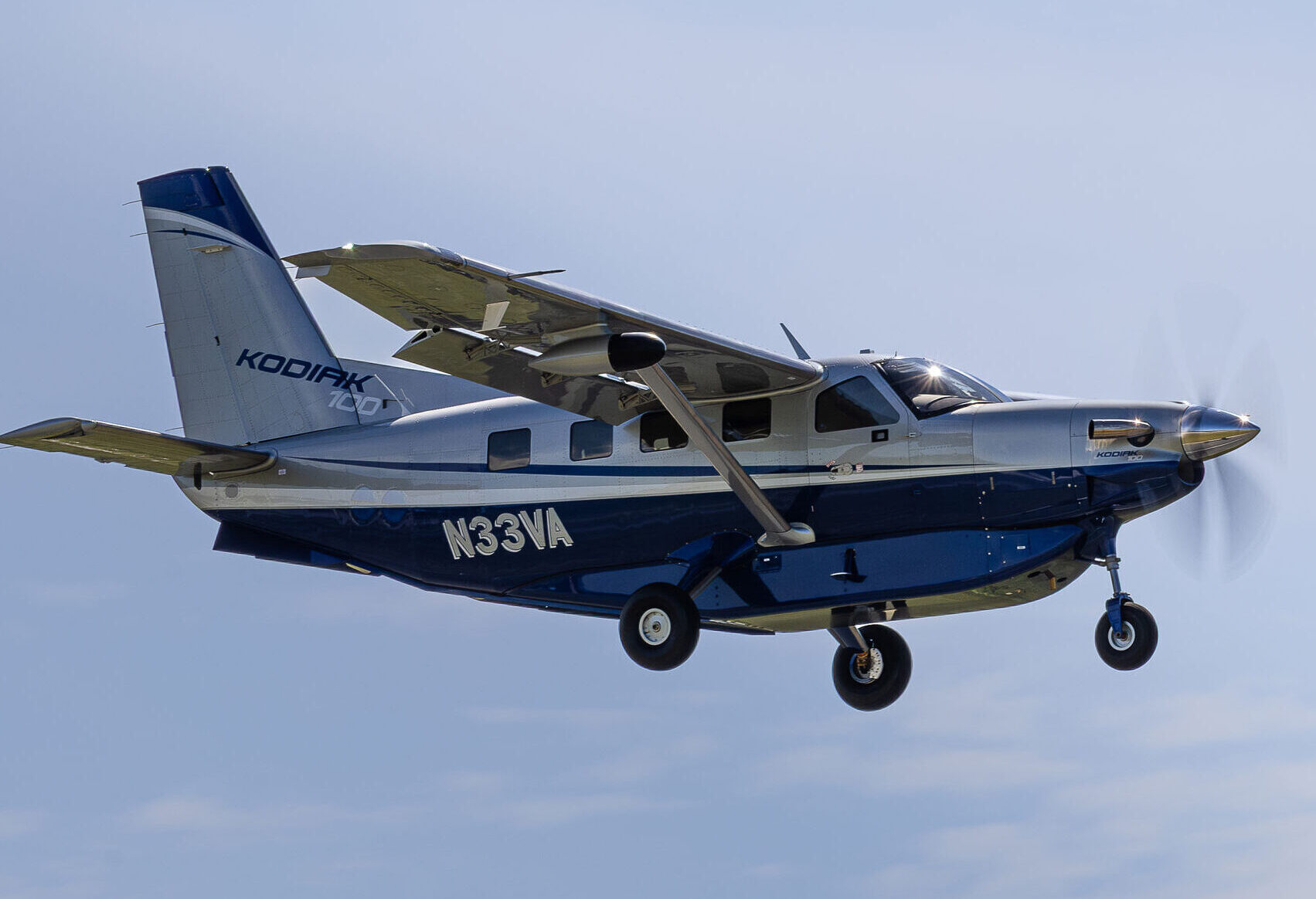
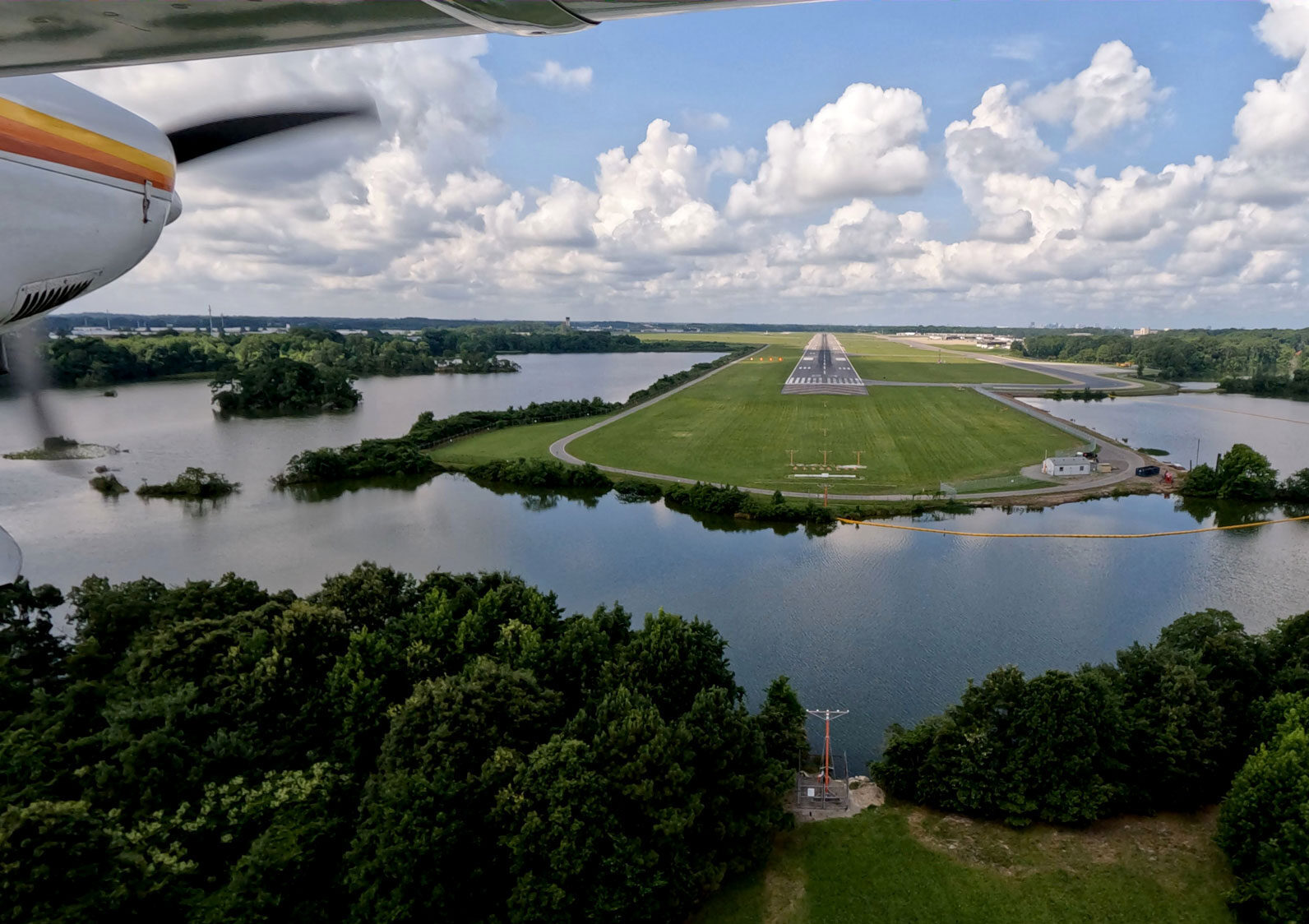
DOAV has compiled a list of institutions in the Commonwealth of Virginia that offer training to prepare students for careers as an aircraft pilot, aviation maintenance technician, aviation manager, drone operator, air traffic controller, and more.
Learn More Flight SchoolsView schools
 Aircraft Maintenance SchoolsView schools
 Aviation Colleges & UniversitiesView schools
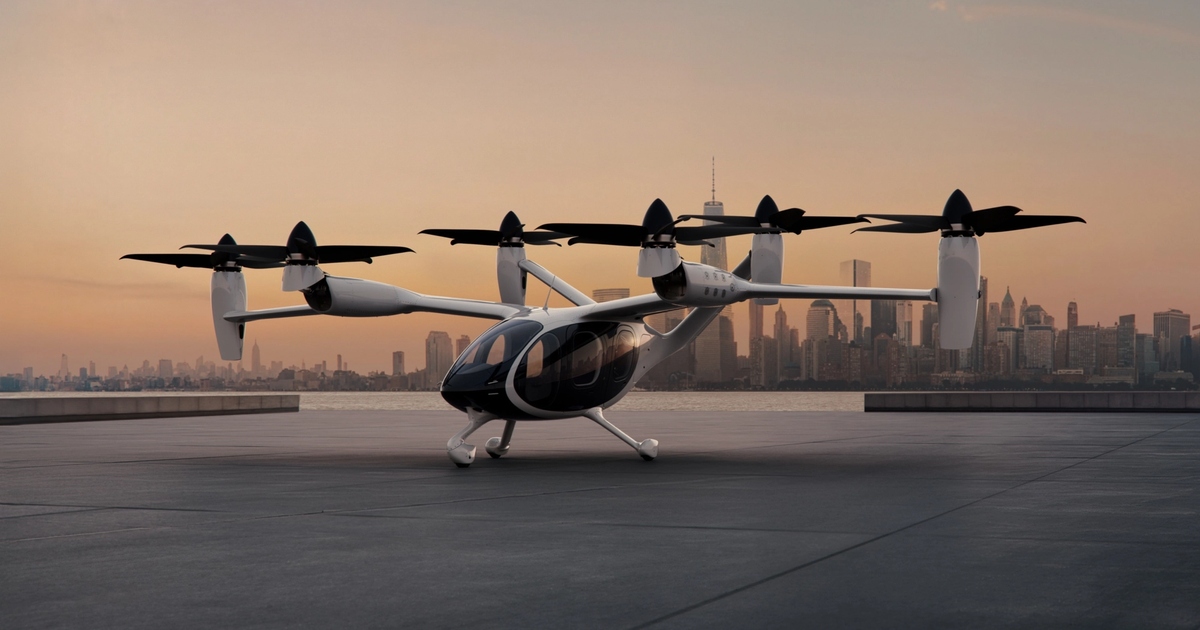
Whether you aspire to pilot aircraft, perform aircraft maintenance, manage community airports, or engineer the future of flight through Advanced Air Mobility, Virginia offers diverse educational opportunities to launch your career. Explore the Commonwealth's programs, scholarships, and resources to find your path in aviation today! Explore various career pathways below:


Some jackets are bought, and some are given, but only one is earned. The DOAV is so proud of the Commonwealth’s airports that for 22 years, the Virginia Aviation Ambassador Program (VAAP) has invited people around the country to explore the Commonwealth’s 65 public-use airports. In that time, more than 700 people have taken on the challenge and earned the program’s signature reward: a genuine flight jacket. It is an aviation adventure that only Virginia can provide, so pick up a VAAP passport at your local airport, collect your stamps, and begin your journey today. Follow the link to explore the program and browse some of the awards below.
Learn More
 Bronze Level Award
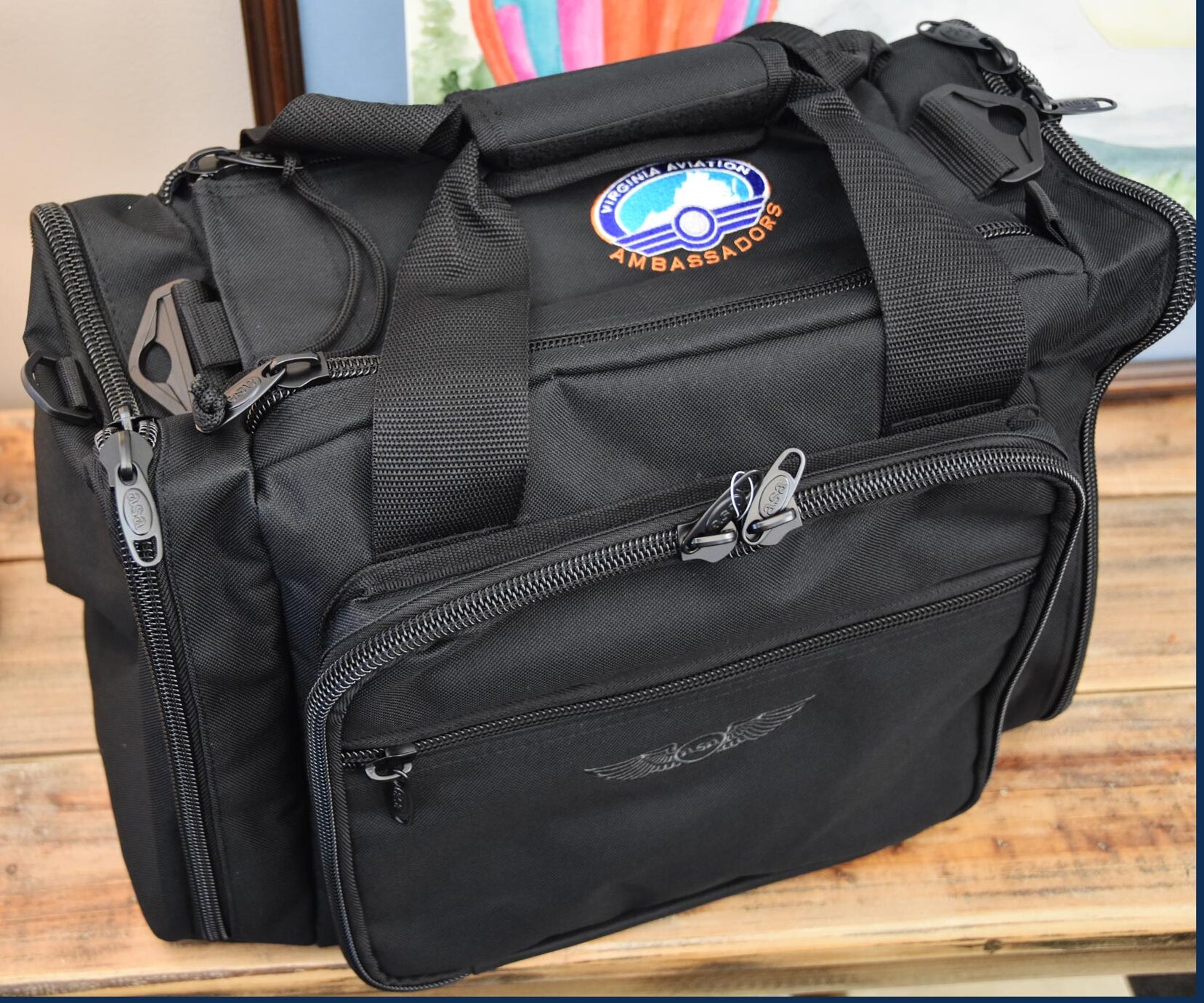 Silver Level Award
 Gold Level Award
The Educator of the Year award, part of the Virginia Aviation Awards, honors an educator who brings aviation and STEM to life for students. Follow the link to learn more about the award and the most recent recipient.
Learn More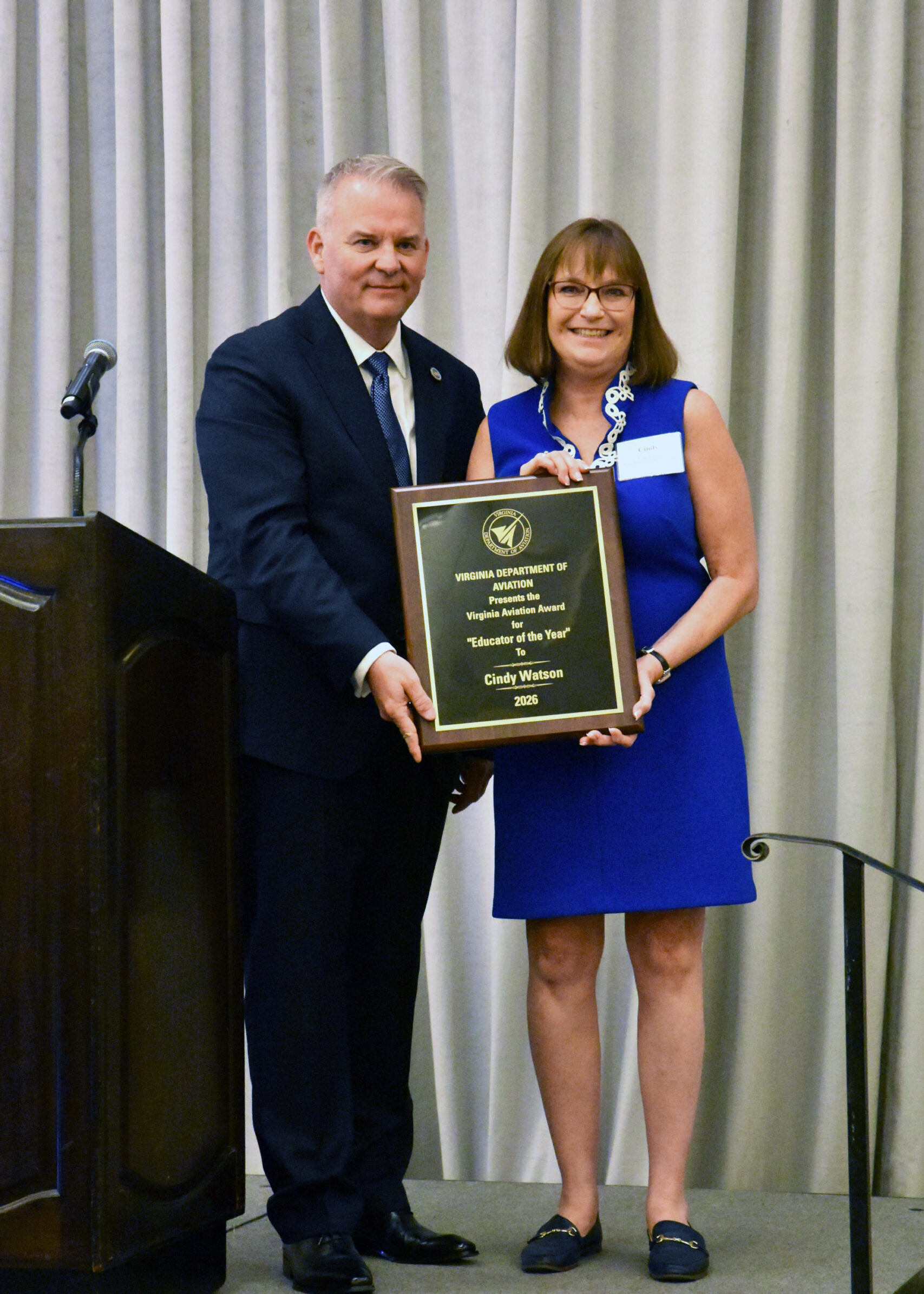
Cindy Watson, a middle school teacher at Forest Middle School, was the inaugural recipient of the Virginia Aviation Awards’ “Educator of the Year.” A master teacher with the Virginia Space Grant Consortium, Watson has inspired students for more than a decade through NASA-aligned programs and hands-on STEM education. She also founded the Forest Drone Zone, bringing aviation and emerging technologies to life while inspiring the next generation of pilots, scientists, engineers, and aviation professionals.
The Virginia Aviation Photo contest takes place each year and offers photographers and pilots the opportunity to show off their best aircraft pictures. The annual Virginia Aviation Art Contest is open to students ages 6-17 and allows residents to submit their artwork based on a different theme each year. Explore some of our past winning submissions below and follow the link to learn more.
Learn More